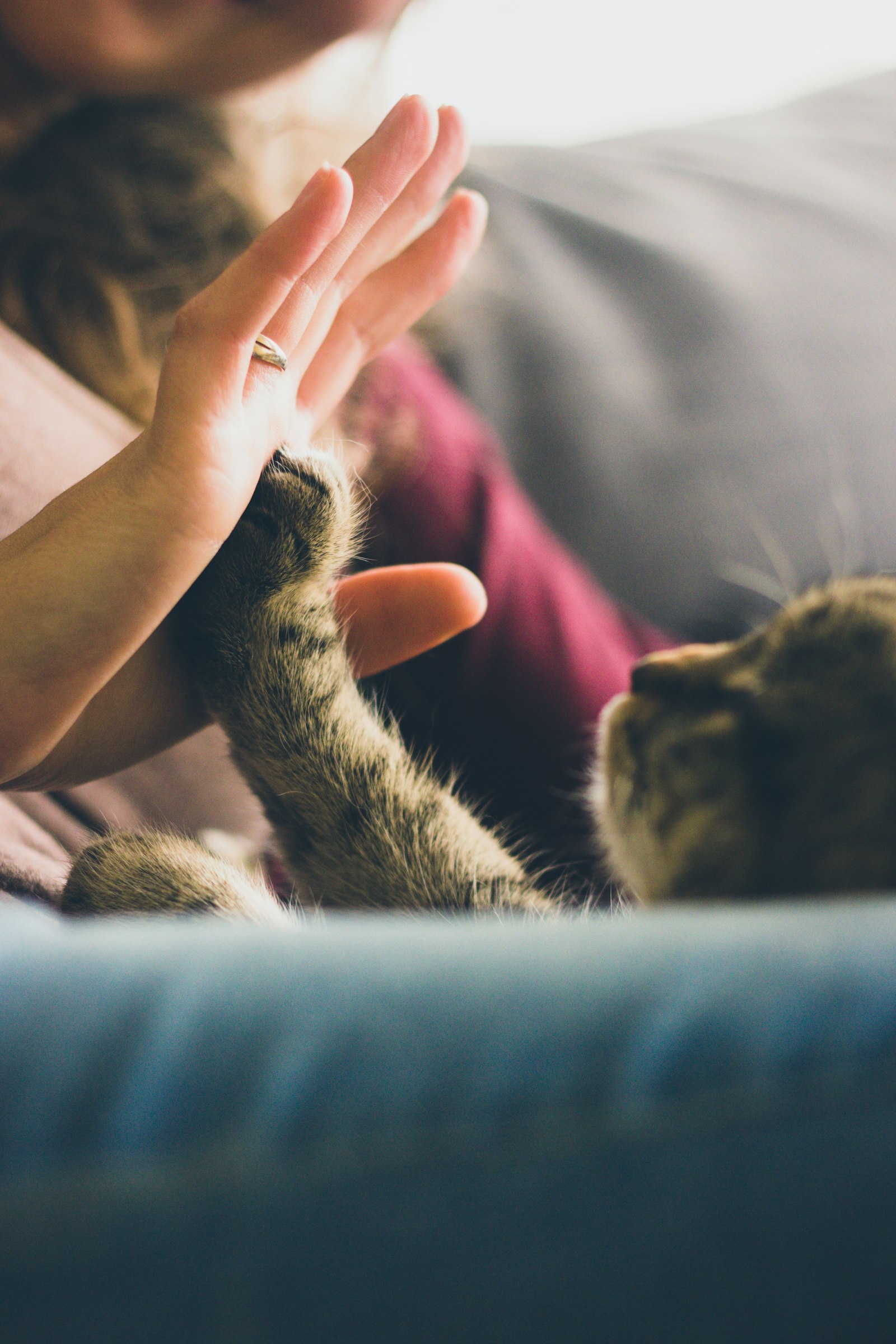

If you want your cat to live a healthy, happy and long life, vaccination is the cornerstone of preventive medicine. In this guide you will find the up-to-date 2026 schedule, when to give each vaccine, and answers to the most frequently asked questions.
Why do cats need vaccines?
Cats are vulnerable to many viruses in the environment. Diseases such as panleukopenia, calicivirus, feline viral rhinotracheitis (FVR) and rabies can be fatal. Vaccines are the most reliable way to protect your pet. In Türkiye, the rabies vaccine is also legally required.
Core and optional vaccines
Feline vaccines are divided into two groups:
- Core vaccines — recommended for every cat:
- Combination vaccine (FVRCP): Panleukopenia + Calicivirus + FVR
- Rabies vaccine
- Non-core (optional) vaccines — based on lifestyle:
- FeLV (Feline Leukemia) — for outdoor cats or multi-cat households
- Chlamydia — for cats living in groups
Kitten schedule (week 8 - week 16)
A kitten's immune system is still developing, so vaccines are given as a series:
| Age | Vaccine |
|---|---|
| Week 8 | First combination vaccine (FVRCP) |
| Week 12 | Second combination vaccine + FeLV (if indicated) |
| Week 16 | Rabies vaccine |
| 1-year booster | Combination + rabies booster |
Adult cat schedule
After the kitten series is complete, adult cats receive an annual booster. In some countries a 3-year rabies formulation is available, but in Türkiye an annual rabies booster is recommended.
Post-vaccination side effects
Vaccines are generally very safe. Mild side effects usually resolve within 24 hours:
- Mild lethargy, reduced appetite
- Tenderness at the injection site
- Low-grade fever
Severe reactions (less than 0.1%) — vomiting, facial swelling, breathing difficulty — require an immediate visit to the clinic.
Frequently Asked Questions
Does an indoor cat really need vaccines?
Yes. Viruses can be carried in on shoes or clothing, and there may be situations where the cat leaves home (vet visits, moves, vacations). Core vaccines are recommended for every cat.
Can senior cats be vaccinated?
Yes. Senior cats have a weakened immune system and benefit greatly from vaccination. Individual assessment is done for cats with chronic disease.
I missed a vaccine — do I have to start over?
Usually no. For delays of 2-4 weeks a single booster is enough. Delays over 6 months may require restarting the series.
Booking an appointment
To plan an up-to-date vaccine schedule for your cat, call 0551 892 99 62 or message us on WhatsApp. For more details you can also visit our Vaccinations page.