
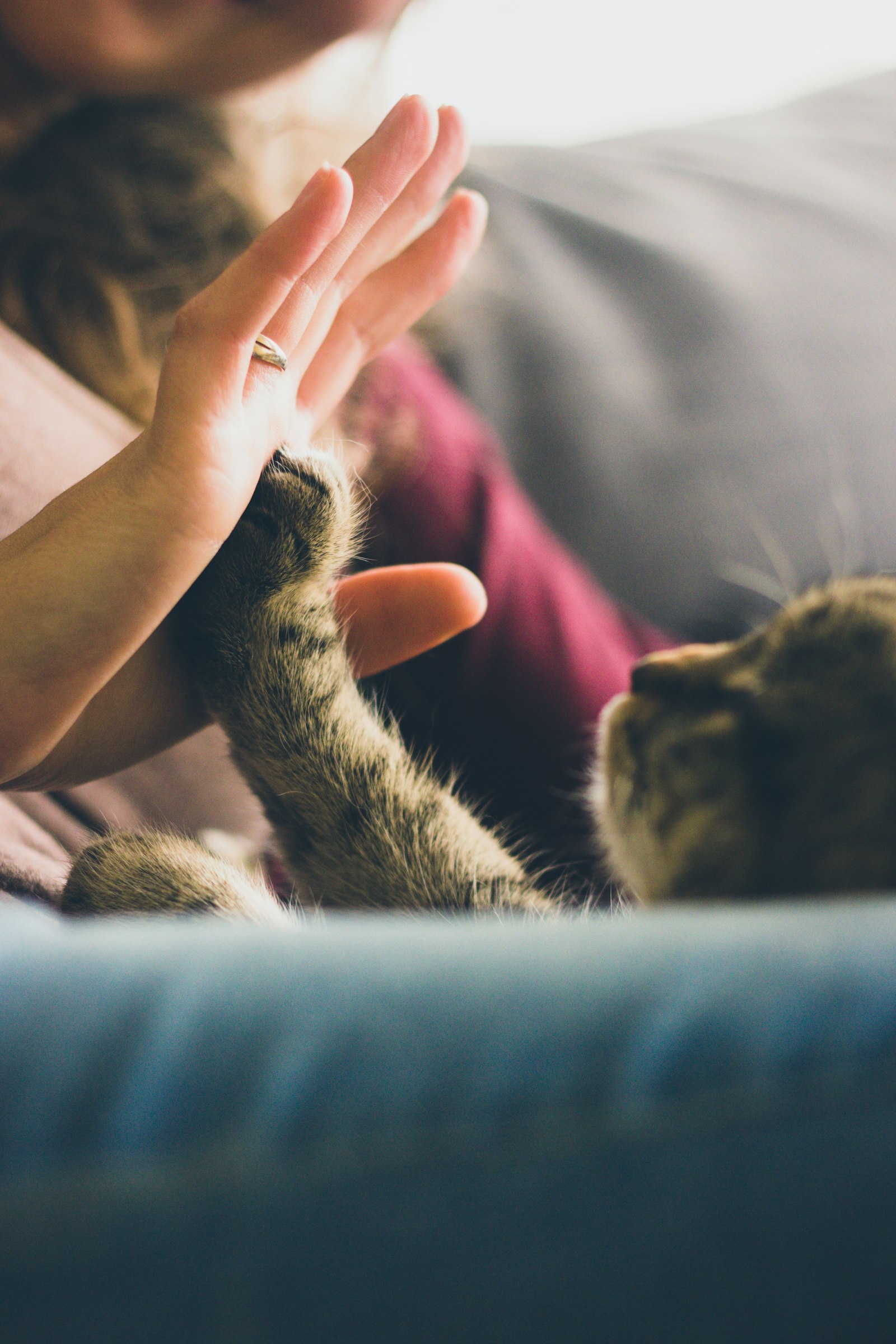
The first 6 months shape your kitten's whole life. Correct nutrition, a proper vaccine schedule, parasite protection and socialisation are all built on the foundations laid in this period.
Before arrival: home preparation
- Litter box and tray — in a quiet corner, away from the door
- Food and water bowls — separate, and away from the litter area
- Sleeping area — soft, warm, comfortable
- Scratching post — a great investment to protect your furniture
- Toys — feather wands, balls, soft prey-style toys
- Safety — mesh on windows, remove toxic plants (lily, sago palm)
Nutrition: the first 6 months
Kittens need specific kitten food — adult food is too low in protein and fat.
- Weeks 4-8: Wet kitten food + milk replacer during the transition
- Weeks 8-16: 4-5 meals per day, mix of wet and dry food
- Week 16 - month 6: 3 meals per day
- After 6 months: 2 meals per day
Never feed: cow's milk (causes diarrhoea), raw eggs, chocolate, onion, garlic, raisins, alcohol, caffeine.
Vaccination and parasite schedule
See our detailed article on vaccines: Cat Vaccination Schedule 2026. In summary:
- Week 6: Intestinal dewormer (rice-grain-sized tablets)
- Week 8: First combination vaccine + external parasite check
- Week 12: Combination booster + FeLV (optional)
- Week 16: Rabies vaccine + neutering assessment
Socialisation: a critical window
In kittens, weeks 2-9 are known as the "socialisation window". The sounds, people, other animals and environments encountered in this period shape personality for life.
- Introduce a different (calm) person each day
- Establish a daily gentle handling routine
- Get them used to nail clipping, brushing and the carrier
- Let them explore different rooms
Litter training
Cats naturally use litter. If there are issues:
- Enough litter trays (number of cats + 1)
- Daily cleaning
- Try different litter types (clumping / non-clumping)
- Location matters — keep it quiet and private
- If accidents persist, a veterinary check-up is essential — it may be a urinary tract infection
First veterinary visit
A general examination within the first week of bringing your kitten home is essential. This visit covers:
- General health check
- Internal and external parasite screening
- Faecal analysis
- FIV/FeLV rapid test
- Planning the vaccination schedule
Frequently Asked Questions
When can I have my kitten neutered?
General guideline: 5-6 months. Early neutering (3-4 months) is safe but we assess each case individually at the clinic.
Can I bathe my kitten?
Not needed unless very dirty. Cats groom themselves. If necessary, a short bath with kitten-specific shampoo and warm water is fine (wait 7 days after vaccination).
To give your kitten a healthy start, book an appointment: 0551 892 99 62 · WhatsApp